• This forum is the machine-generated translation of www.cad3d.it/forum1 - the Italian design community. Several terms are not translated correctly.

automation assembly seals

  • Thread starter Thread starter angelo74
  • Start date Start date

angelo74

Guest
Good morning.
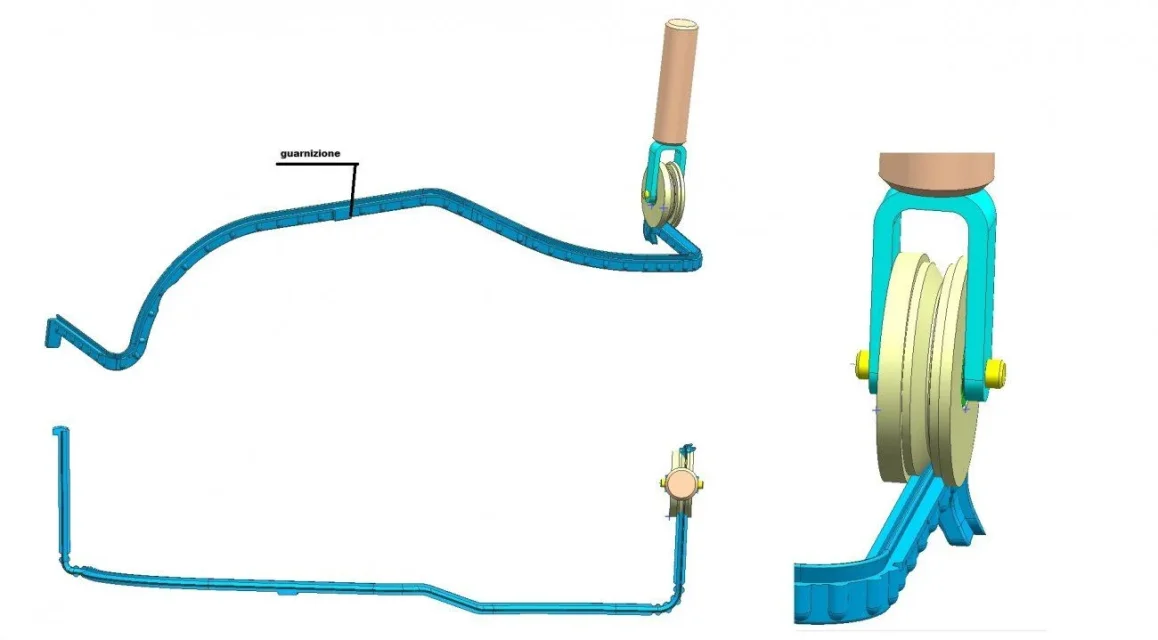
I need to find a solution to help manual assembly of the seal ( silicone vmq 60) in the channel of a lid
I thought of a tool that rotates the gasket inside the seat and as an alternative to a laying where to relax the gasket and then stock the lid.
(enclosed image)
do you have suggestions and/or ideas?
thanks in advance
 

Attachments

  • Immagine.webp
    Immagine.webp
    55.6 KB · Views: 41
the ``rotante` tool, in my opinion, can be applied in several situations so I see it preferable. I see it even easier to use.
 
the ``rotante` tool, in my opinion, can be applied in several situations so I see it preferable. I see it even easier to use.
si, in parallel we should still realize both for tests, then what is functional will be put into production.
 
I ask the most experts,

Could a robot be suitable for inserting the seal along the premises?
 
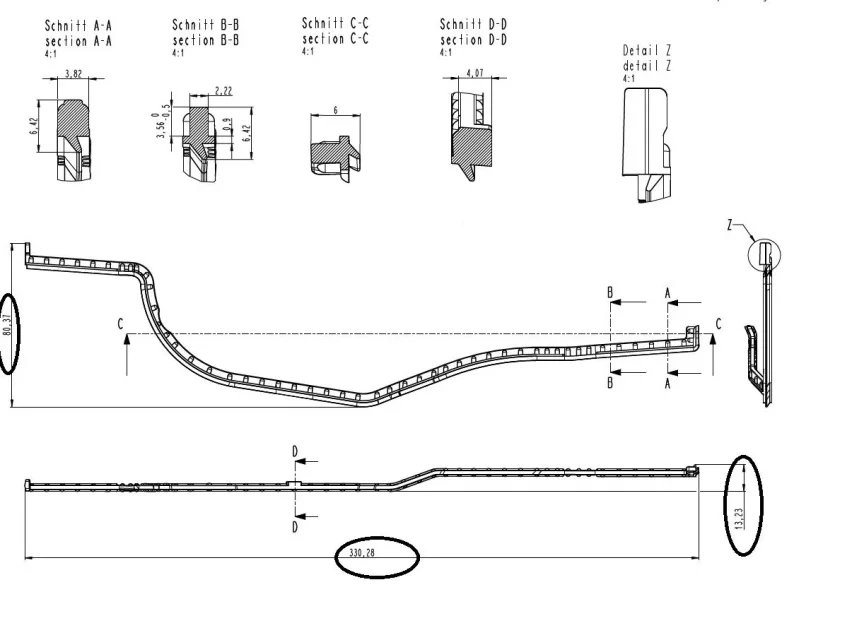
How many pieces are we talking about? what maximum size has the seal? how is the seal supplied? in bulk, on trays? I imagine, given the material is very elastic. .
 
How many pieces are we talking about? what maximum size has the seal? how is the seal supplied? in bulk, on trays? I imagine, given the material is very elastic. .
- volumes are about 500 k/year
- the seal has a development and sez. as from image attached

for supply will be to be considered in boxes and bulk,
you are very soft / soft being silicone
 

Attachments

  • gasket-1.webp
    gasket-1.webp
    53.8 KB · Views: 28
I ask the most experts,

Could a robot be suitable for inserting the seal along the premises?
Yes, in this case it would be very useful a cobot (robot collaborative see example) which could mount the seal, however, predisposing adequate picking equipment.
p.s. I have seen now the quantity, the use of the cobot is not justified at economic level if it is not foreseen also for other activities.
I thought of a tool that rotates the gasket inside the seat and as an alternative to a laying where to relax the gasket and then stock the lid.
I personally have doubts about the functionality of the wheel in the curved areas; I am more inclined to the second solution I would see in two ways:
1) as you indicated: the operator places the seal then stocks the cap
2) Build an equipment with the profile of the lid but with a relief corresponding to the path of the shaped seal as the wheel to press on the edge of the seal.
After the positioning of the seal can be compressed with a moderate force to the press.

Considering the limited amount, another alternative is to outsource this operation.
 
Yes, in this case it would be very useful a cobot (robot collaborative see example) which could mount the seal, however, predisposing adequate picking equipment.
p.s. I have seen now the quantity, the use of the cobot is not justified at economic level if it is not foreseen also for other activities.


I personally have doubts about the functionality of the wheel in the curved areas; I am more inclined to the second solution I would see in two ways:
1) as you indicated: the operator places the seal then stocks the cap
2) Build an equipment with the profile of the lid but with a relief corresponding to the path of the shaped seal as the wheel to press on the edge of the seal.
After the positioning of the seal can be compressed with a moderate force to the press.

Considering the limited amount, another alternative is to outsource this operation.
But 500,000 pieces are not a few!
 
If the pieces arrive in bulk, I'd see a rotary table at multiple positions.

1st station: manual load of the piece and positioning seal.

2nd station: via appropriate press, equipped with extractors, which hold the seal, automatic pressing of the seal.

3rd station: automatic unloading of the piece by cobot, with palletization in trays, in order to make possible the possible automatic mountings in the downstream operations.
 
But 500,000 pieces are not a few!
I'm sorry, I didn't see the k (500000).

I correct myself, in this case the use of cobots is justified.
according to the procedure of pietro2002, which I share, the manual intervention would be limited only to the load.

not knowing the type of product and the structure of the company I could hypothesize, only in the case that the box containing the seal was die or plastic printed without other processing, that the supplier of the seals supplied me already mounted on the pieces provided in the processing account (and not in bulk), or that supplied me the seals on trays or in containers prepared for the collection by cobots.
 
Last edited:
Yes, in this case it would be very useful a cobot (robot collaborative see example) which could mount the seal, however, predisposing adequate picking equipment.
p.s. I have seen now the quantity, the use of the cobot is not justified at economic level if it is not foreseen also for other activities.


I personally have doubts about the functionality of the wheel in the curved areas; I am more inclined to the second solution I would see in two ways:
1) as you indicated: the operator places the seal then stocks the cap
2) Build an equipment with the profile of the lid but with a relief corresponding to the path of the shaped seal as the wheel to press on the edge of the seal.
After the positioning of the seal can be compressed with a moderate force to the press.

Considering the limited amount, another alternative is to outsource this operation.
thanks for the ideas,
If the pieces arrive in bulk, I'd see a rotary table at multiple positions.

1st station: manual load of the piece and positioning seal.

2nd station: via appropriate press, equipped with extractors, which hold the seal, automatic pressing of the seal.

3rd station: automatic unloading of the piece by cobot, with palletization in trays, in order to make possible the possible automatic mountings in the downstream operations.
Many helpful thanks.
I inform myself about the cobots and try to understand what are the most suitable systems for picking given the difficulty due to the flexibility of the seal.
 
Excuse me, but it's five pieces a minute for 8 hours?
If there is more than one operator, and the robot (collaborative or not) follows the operator's work, then will it also serve more than one robot?

or can one robot serve multiple intermittent stations?
 
Excuse me, but it's five pieces a minute for 8 hours?
If there is more than one operator, and the robot (collaborative or not) follows the operator's work, then will it also serve more than one robot?

or can one robot serve multiple intermittent stations?
are 2,800 pieces day / 22,5h = 125 pieces / hour = 2 pieces per minute
 
If you use a circular transfer, as mentioned above, a gross hypothesis of the times can be:

manual load cover in the installation tool : 7 seconds

manual load and seal positioning on the lid: 12 seconds

automatic unloading

net total time: 19 seconds

efficiency: 0.85

gross total time: 22 seconds / piece

estimated hourly production : 163 pieces / hour

working on 2 shifts ( 15 hours ) = 2445 pieces / day

annual production ( 220 working days) : 537900 pieces / year
 

Forum statistics

Threads
44,997
Messages
339,767
Members
4
Latest member
ibt

Members online

No members online now.
Back
Top