
• This forum is the machine-generated translation of www.cad3d.it/forum1 - the Italian design community. Several terms are not translated correctly.

hydraulic circuit and fittings

  • Thread starter Thread starter Sasso SP
  • Start date Start date

Sasso SP

Guest
Bye to all,

I write to ask for advice on what kind of hydraulic fittings I should take.
I have to buy fittings for a pressure hydraulic circuit,
- Is there a difference between hydraulic and hydraulic fittings?
- the connections I have to do are between a rigid rubber tube d.int 10 and a 1/2" gas tap, between the fittings there are std measures?
- How can I do to ensure the connection seal?

thank you and good Sunday
 
Bye to all,

I write to ask for advice on what kind of hydraulic fittings I should take.
I have to buy fittings for a pressure hydraulic circuit,
- Is there a difference between hydraulic and hydraulic fittings?
- the connections I have to do are between a rigid rubber tube d.int 10 and a 1/2" gas tap, between the fittings there are std measures?
- How can I do to ensure the connection seal?

thank you and good Sunday
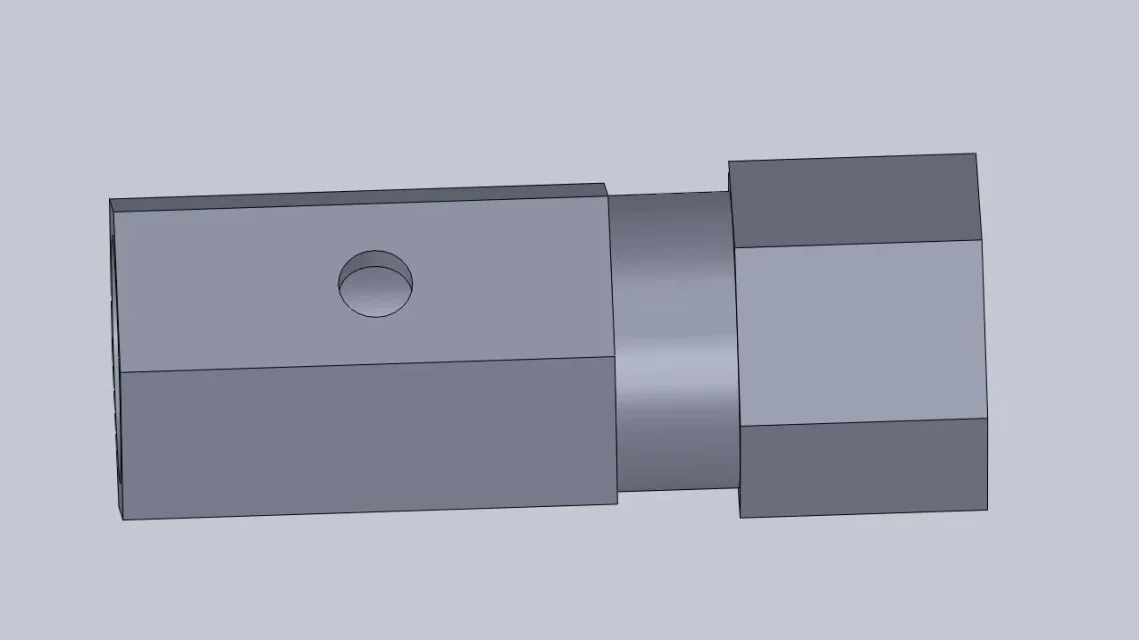
Hello! First I want to clarify two concepts:
- oleodynamics: all about oil
- plumbing: everything about water
- fluid dynamics: all about fluids various liquids or gasses
- aeraulic: all about air
- tire: all about air pressure for handling applications
- the connection of oleodynamic plants is regulated and there are the relative fittings to do so. If you have rigid pipes, you will have gas, npt or sae and fillet fittings or crymp. if you have flexible pipes you will have the appropriate terminals already crimped if you have standard size or if you have a trust oleodynamics department make you custom tubes
What pressure do you work at? if you work at pressure 100 bar up do not think about getting compromises. If you work at 2 bar you could evaluate, but since the security comes first I'll shock you
 
I imagine that the rubber tube (both rigid) is a flexible one, if it is so at the ends of the flex there are already fixed its attacks, so just choose what you need.
oleodynamics means something that works in contact with an oily fluid, oils specially tested and approved for this use, of course.
Bye.
 
here while I wrote these few mecca lines hit + fast of a cobra:(
What do you mean by ogiva to crimp?
Hi.
 
here while I wrote these few mecca lines hit + fast of a cobra:(
What do you mean by ogiva to crimp?
Hi.
the pipes for plants or are welded (the pipe terminals) or are assembled of the fittings that have a cone system that is mechanically tightened to the tube and can no longer be dismantled even if you can unscrew the wreath. I attach a catalogue of ogiva fittings qui.
 
thanks for the answers and links!
the pressure reaches up to 120 bar, with a max flow rate 80 l/min.
In practice I have to replicate a counter circuit to verify the functioning of the fundamental components!
the problem that some components change compared to the real circuit and consequently the various connections!
the tubes I thought of using the real ones to cut their connection and use fittings, from here arise my questions.
I'm not an expert on this stuff.
 
thanks for the answers and links!
the pressure reaches up to 120 bar, with a max flow rate 80 l/min.
In practice I have to replicate a counter circuit to verify the functioning of the fundamental components!
the problem that some components change compared to the real circuit and consequently the various connections!
the tubes I thought of using the real ones to cut their connection and use fittings, from here arise my questions.
I'm not an expert on this stuff.
the components that you will use "real" will all have the threaded hole, so just attach the flexible and possible reduction fitting. cutting their link???????? What are you saying?? It's dangerousssssssssssssssssssssssssssssssssssssssssssssssssssssssima!!!! I'm pointing out you ask a plumber to come to do the job because if it's true that you have to cut the links you will also need to weld properly and from what I understand you're not good at doing these things.
 
the components that you will use "real" will all have the threaded hole, so just attach the flexible and possible reduction fitting. cutting their link???????? What are you saying?? It's dangerousssssssssssssssssssssssssssssssssssssssssssssssssssssssima!!!! I'm pointing out you ask a plumber to come to do the job because if it's true that you have to cut the links you will also need to weld properly and from what I understand you're not good at doing these things.
I am a total incompetent in this area.
I try to explain to the best!
I have a pump a tube is a guide box (first part of the circuit ), the last one has been replaced by a tap that should replicate its operation! the pipe has a coupling to the pump is one to the driving box.
the tap has a threaded hole 1/2" gas, how do I make this connection?
In addition to some points, I have to insert pressure detectors, flow rate, etc., and here again I have the same problem for connection!
Sorry if I don't use technical terms but as I said I'm not an expert!
Thank you.
 
the connections you do with nipli, fittings, reductions and then rigid or flexible pipes for hydraulic systems
 
the pipes for plants or are welded (the pipe terminals) or are assembled of the fittings that have a cone system that is mechanically tightened to the tube and can no longer be dismantled even if you can unscrew the wreath. I attach a catalogue of ogiva fittings qui.
aahhhhh the "dens" that damp the tube............
I have always heard them call like this....... :redface:
there are also here:http://www.schwer.com/index.html
ciao
 
if I understand you have to have a pump with a male or female threaded output, or even flange it is. On the other hand you have a tap with an entrance, then an exit, female male. in the middle is the planner. having the size of the two threads, the operating pressure and the flow of the pump revenues the system. you also need to know what type of thread mount pump and tap. the tube is enough for you by means of chickens, in any case you have a faucet by means that would narrow the flow, for pressure the tubes are usually divided, for hydraulic applications, in tubes r2 and r9. you will need a r9 tube given the operating pressure, when you go buy it tell the employee and he will advise you at best. make a hose, the galvanized iron tubes need a pipe welding and if you are not able to do it well it is very easy that lose or break. for fittings, you will certainly need some adaptor that between the two pump fillets and tap carry to the pipe fitting. before making the tube decides that adapter fittings use, usually gases are the most used. to add a barometer to the system as long as the shopkeeper asks for an adapter, put 1/2" gas with the barometer hole, 1/8 seems to me, and of course the barometer. I hope I've been helpful. Racc.girevole M-F-1-2GASattacco1-8.webp
 

Forum statistics

Threads
44,997
Messages
339,767
Members
4
Latest member
ibt

Members online

No members online now.
Back
Top