vinci16
Guest
hi to everyone, I found a problem when amounting one together in another set (case of a cylinder/actuator in a machine).
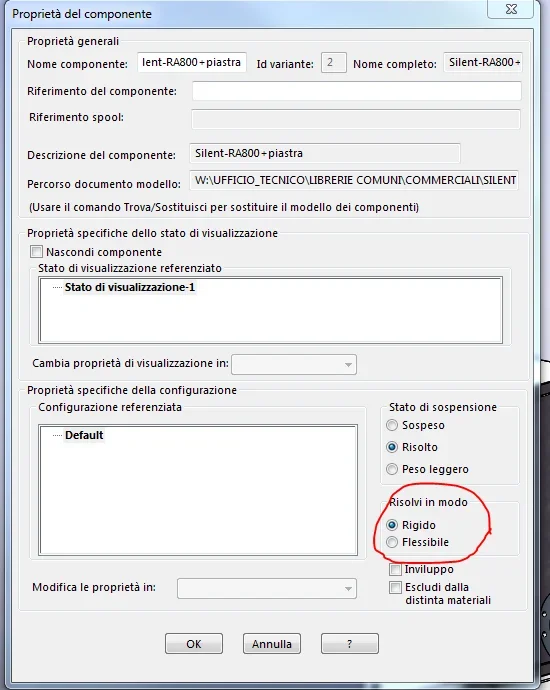
First of all, we say that the axieme of the cylinder inside it presents the coupling of 'limit distance' for the relative ends of the race. When however the amount in another set, the coupling referred to above 'disappear', or rather, is as if there were, in fact the component is seen as 'fixed'.
is there a way to solve this problem without having to resort to the use of 2 sub-axis of the cylinder (separate shirt and stem)?
Thank you all.
First of all, we say that the axieme of the cylinder inside it presents the coupling of 'limit distance' for the relative ends of the race. When however the amount in another set, the coupling referred to above 'disappear', or rather, is as if there were, in fact the component is seen as 'fixed'.
is there a way to solve this problem without having to resort to the use of 2 sub-axis of the cylinder (separate shirt and stem)?
Thank you all.