Il_Gibernauta
Guest
Good morning.
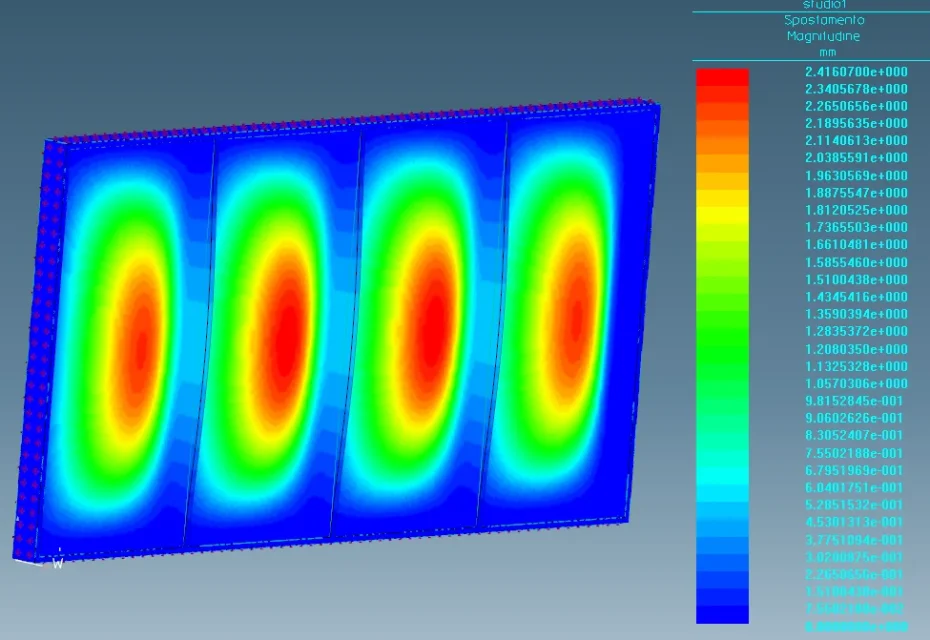
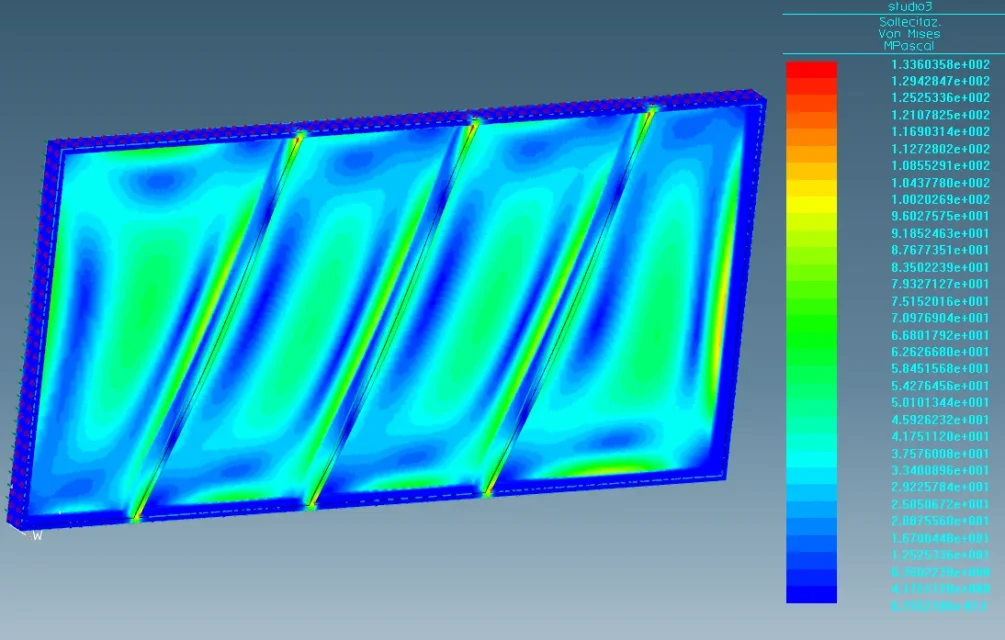
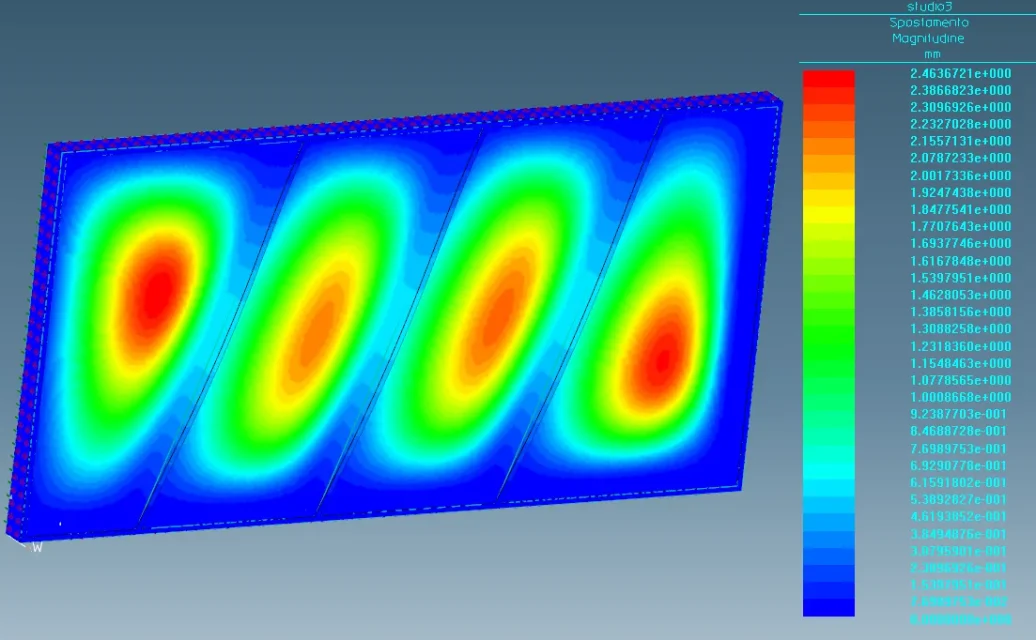
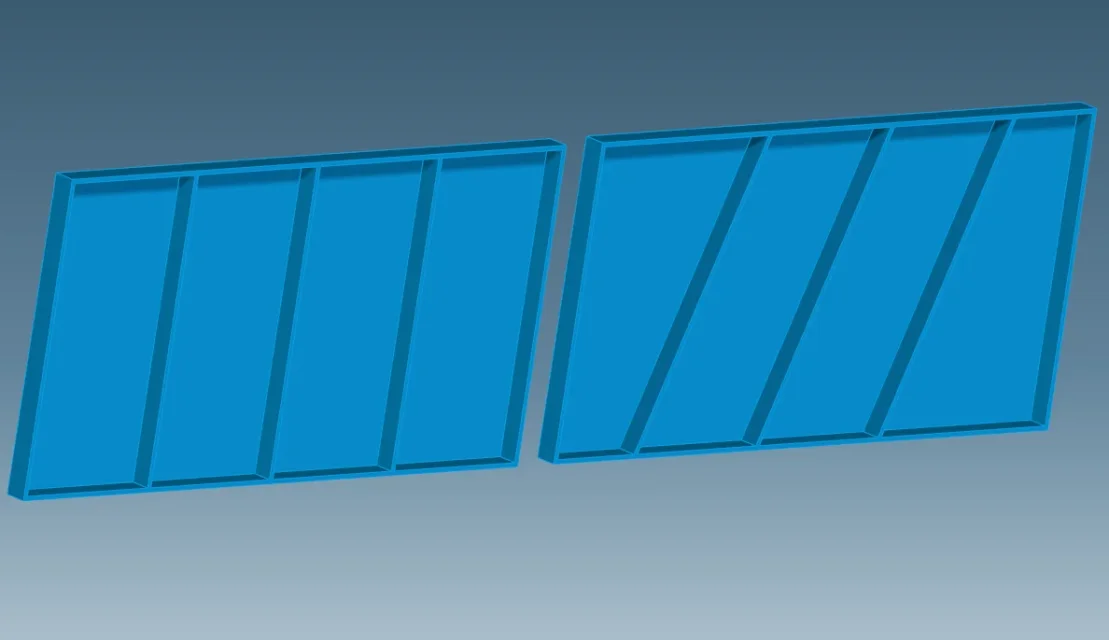
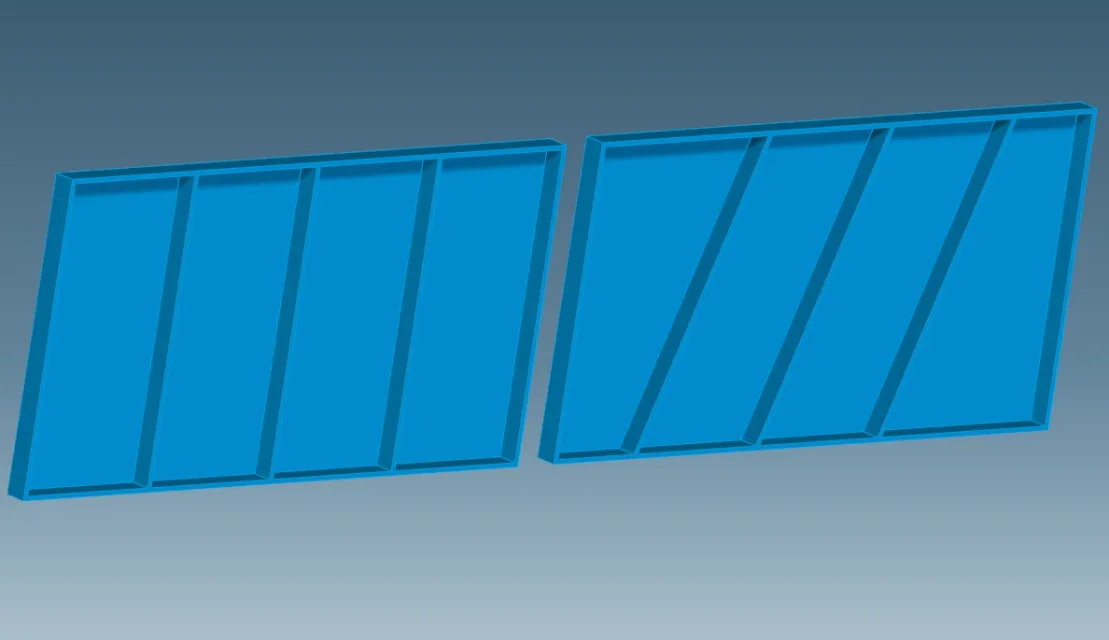
I press that I am new to the forum and so I could post in the wrong section. Anyway, I'd like to get out of curiosity. Why are the reinforcements on the side walls both of the scarrabile and of the tipperable ones (for quarry construction applications) used on the trucks often oblique? Another thing I've noticed is that oblique reinforcements are "oriented" from below to top in the vehicle's direction.
I do not understand if you do to limit the maximum distance between two reinforcements to equal size and number of reinforcements compared to a cassone with vertical reinforcements or if you do to limit the stresses on reinforcements themselves in front of loads that would tend to bend the side wall frame in the direction of march of the vehicle. I think, for example, the case where the cassone finds itself loaded and completely overturned. in that case much of the load would be supported by the back vertical wall of the cassone.
I press that I am new to the forum and so I could post in the wrong section. Anyway, I'd like to get out of curiosity. Why are the reinforcements on the side walls both of the scarrabile and of the tipperable ones (for quarry construction applications) used on the trucks often oblique? Another thing I've noticed is that oblique reinforcements are "oriented" from below to top in the vehicle's direction.
I do not understand if you do to limit the maximum distance between two reinforcements to equal size and number of reinforcements compared to a cassone with vertical reinforcements or if you do to limit the stresses on reinforcements themselves in front of loads that would tend to bend the side wall frame in the direction of march of the vehicle. I think, for example, the case where the cassone finds itself loaded and completely overturned. in that case much of the load would be supported by the back vertical wall of the cassone.