Moric-One
Guest
Good morning to all,
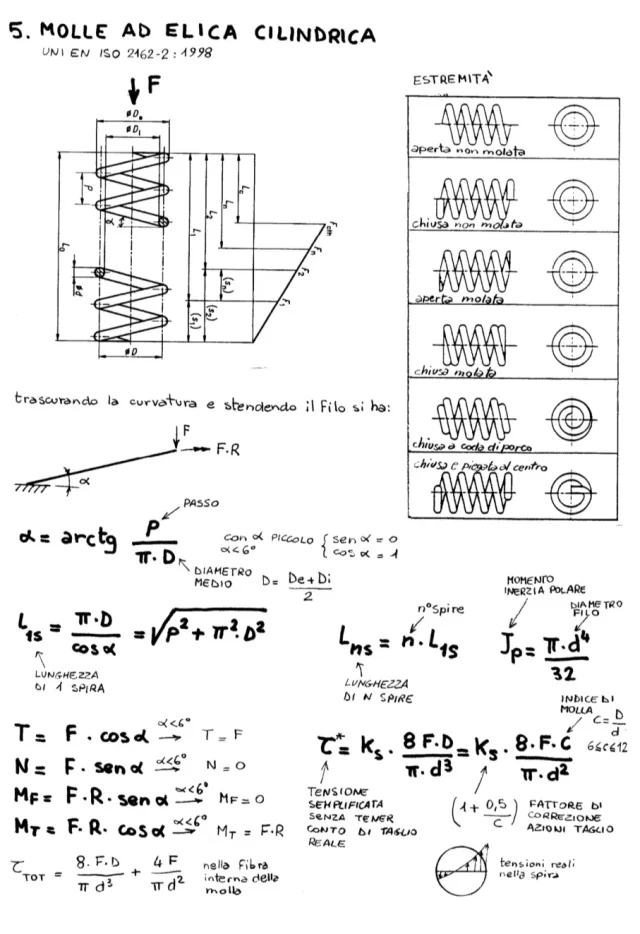
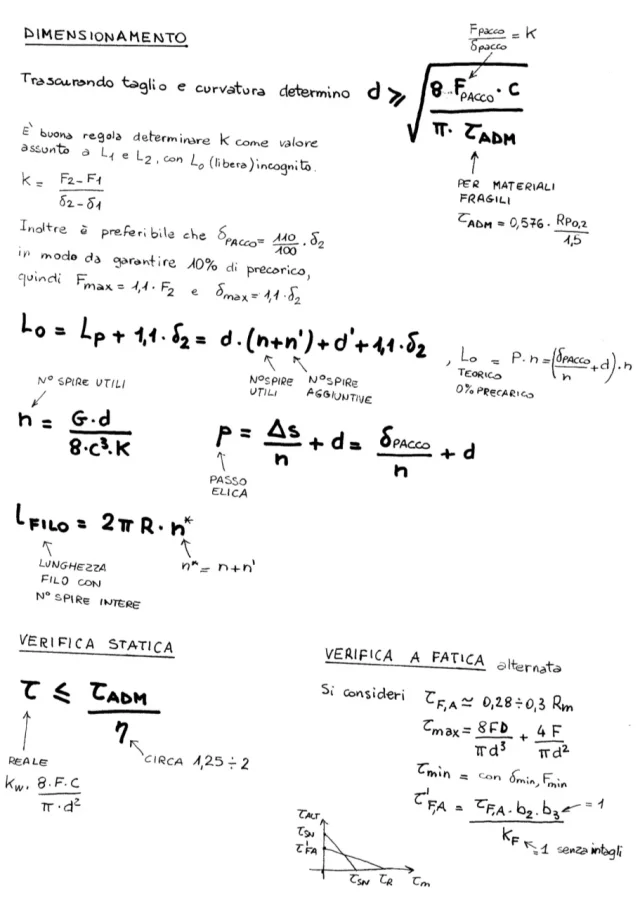
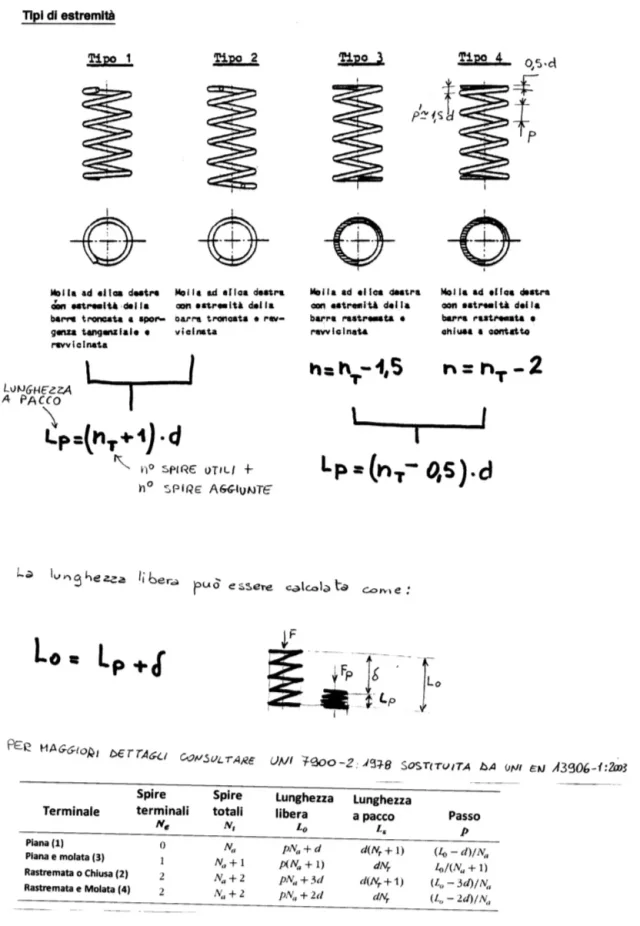
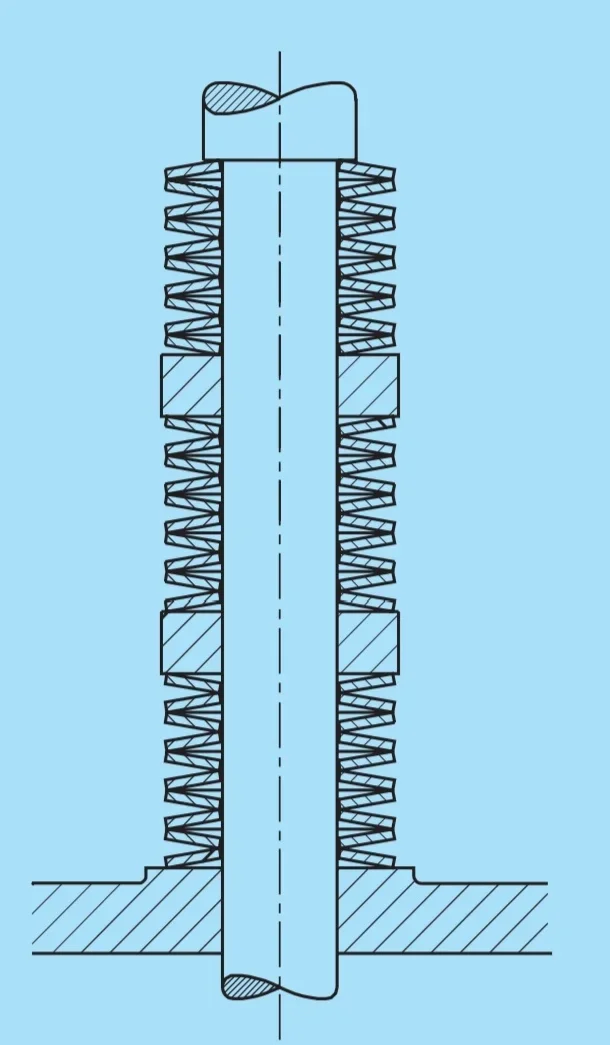
I write because I would like to help with the sizing of a spring (see drawing). following the manual of mechanics the following formula for compression springs with circular section: f=(π*d3)/(16*r)*τam
for custom-made springs are bound to a maximum diameter of 20mm wire. according to the table of the manual for steels type b the τam (admissible tangential voltage) depends on the section, but the table comes only until diam. 12. it seems however that for that value the curve approaches 390. with the following data I should be able to find the radius of the r spring but it does not seem correct:
27500(f)=(π*203)/(16*r))*390--> 27500=(8000π/16r)*390--> 27500=(25133/16r)*390-->27500=612617/r--> r=612617/27500=22.3 mm ? having performed workshop tests with a 700mm long spring, with wire diameter 20mm and If someone with experience could give me an example, I would be grateful. I thank you so much for the time you can devote!
I write because I would like to help with the sizing of a spring (see drawing). following the manual of mechanics the following formula for compression springs with circular section: f=(π*d3)/(16*r)*τam
for custom-made springs are bound to a maximum diameter of 20mm wire. according to the table of the manual for steels type b the τam (admissible tangential voltage) depends on the section, but the table comes only until diam. 12. it seems however that for that value the curve approaches 390. with the following data I should be able to find the radius of the r spring but it does not seem correct:
27500(f)=(π*203)/(16*r))*390--> 27500=(8000π/16r)*390--> 27500=(25133/16r)*390-->27500=612617/r--> r=612617/27500=22.3 mm ? having performed workshop tests with a 700mm long spring, with wire diameter 20mm and If someone with experience could give me an example, I would be grateful. I thank you so much for the time you can devote!