exxon
Guest
in a fe simulation (especially with inventor), can you extract the distorted model from the application of a load?

 the clip is pressed from the bottom, widens and then snaps in position.
English . .“continuing increase” looks like one of those rhetorical figures like “silent noise”. . .
No. I mean that the force applied to the clip to hook it has to grow proportionally to the space it has taken.do you mean that the contact force between the clip and cylinder must grow linearly (i.e. having a constant increase) in the linear clip section?
I don't want it, it's a specific.And why do you want this to happen?
it is not about changing one or a few parameters, such as the initial opening of the clip. the problem is to establish the general form of the elastic element.... I would set a parameter that at equal loads and constraints, varying the imported parameter (cylinder position / opening clip) pull out the contact force at the point of tangency. .
proportional growth and linearity are different concepts.
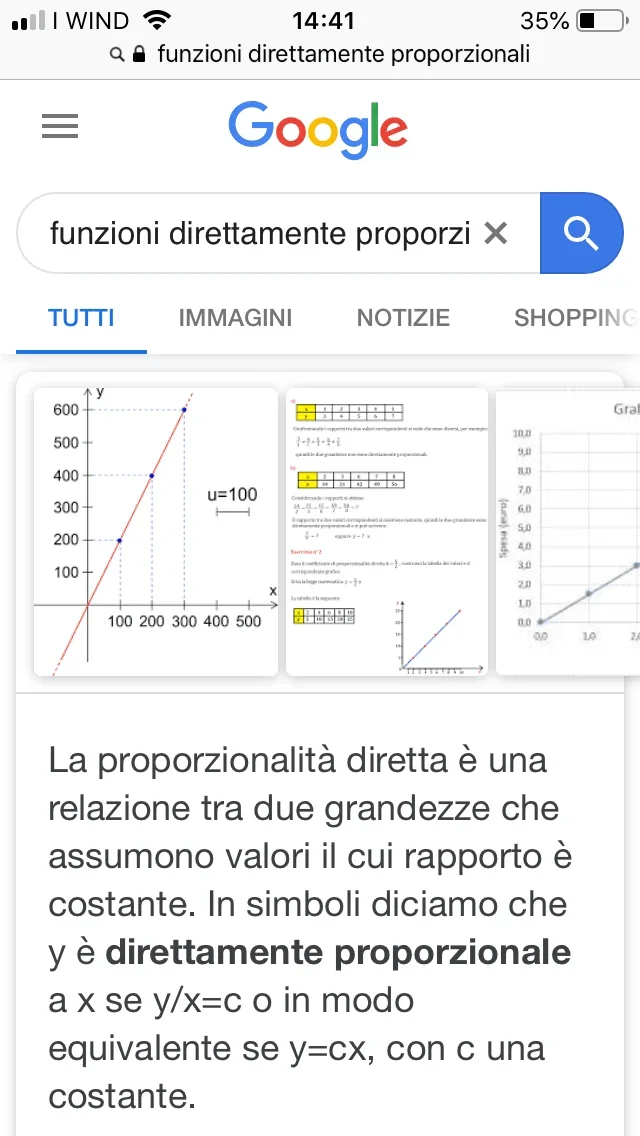 That sounds like a line.
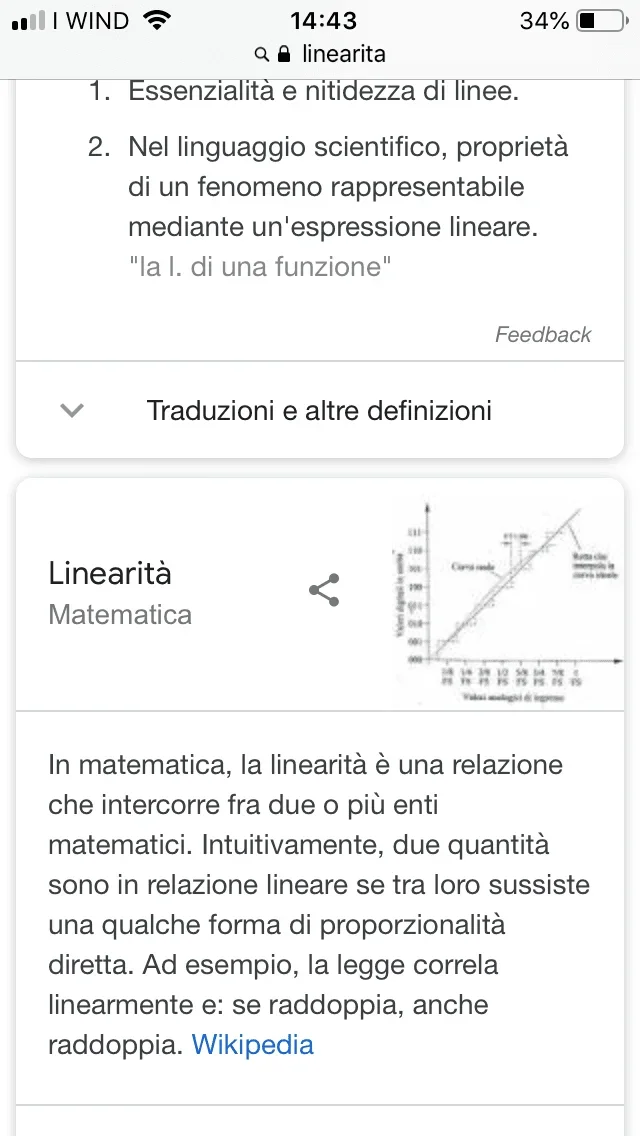 and in the definition of linearity it seems to me to speak of direct proportionality.........
As we are engineers and non-mathematics, I would say that the concept we wanted to express is very clear.That sounds like a line.
and in the definition of linearity it seems to me to speak of direct proportionality.........
ah already but you are a superior being who perceives the world quadrimensionally
but not in a dream.in the engineering field is linear all that 'describable from a first degree polynomial
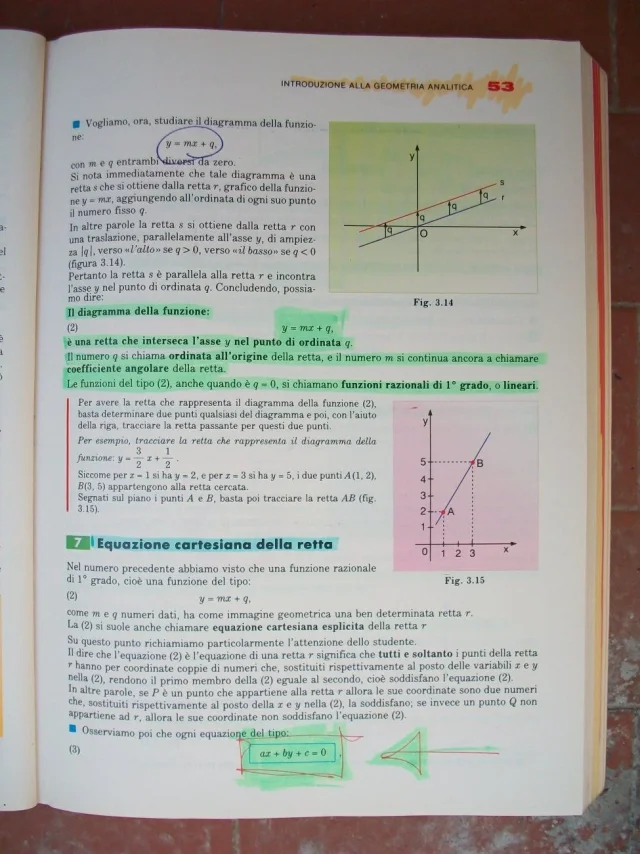

I meant that in any u.t. or assembly workshop the two concepts are synonymous, i.e. a law of type y = kx (possibly +c), although perhaps theoretically they are different things. then I do not understand the reference to the gentleman agreement with the administrator: You can peacefully disagree with the opinion of other members of the forum, as long as you do it without transcending tones.but not in a dream.
I have a gentleman agreement with the administrator not to feed the controversy, and so I end up here.
I invite students who happened by chance on this thread to carefully deepen the topic: in particular the difference (substantial) between linearity e proportional growth (the latter equivalent to the concept of drift or constant slope).
I'm curious to know, too.but not in a dream.
I have a gentleman agreement with the administrator not to feed the controversy, and so I end up here.
I invite students who happened by chance on this thread to carefully deepen the topic: in particular the difference (substantial) between linearity e proportional growth (the latter equivalent to the concept of drift or constant slope).